











Aztec King Megaways Slot Not on Gamstop
May 11, 2026
75 Views
Aztec King Megaways Slot Not on Gamstop is the focus of this guide, covering games,…

By
The landscape of online gambling in the United Kingdom has undergone significant transformations in recent years. With the introduction of GamStop, a self-exclusion scheme designed to help players manage their gambling habits, many individuals have found themselves restricted from accessing UKGC-licensed platforms. While GamStop serves a crucial purpose for those needing a break, some players may feel they have regained control and wish to resume their gaming activities before their self-exclusion period expires. This is where non-GamStop casinos come into play. These platforms, typically licensed by international authorities such as the Curacao eGaming Authority or the Malta Gaming Authority (MGA), offer a viable alternative for UK players seeking a broader range of gaming options and fewer restrictions.
One of the most critical aspects of the online gambling experience, regardless of the platform, is the availability and reliability of payment methods. At non-GamStop casinos, the payment landscape differs somewhat from that of UKGC-licensed sites. Understanding these differences, along with the various options available, is essential for a seamless and enjoyable gaming experience. This comprehensive guide delves deep into the world of payment methods at non-GamStop casinos, exploring the pros and cons of each, security measures, processing times, and how to choose the best option for your specific needs. We will explore the nuances of credit cards, the rise of cryptocurrencies, the convenience of e-wallets, and the steadfast reliability of bank transfers, ensuring you have all the information necessary to make informed decisions about managing your casino bankroll.

When you register at an online casino, your primary goal is to enjoy the games and, hopefully, win some money. However, before you can spin the reels or place a bet at the blackjack table, you need to fund your account. The efficiency, security, and cost-effectiveness of this process can significantly impact your overall experience. Here are several reasons why choosing the right payment method is paramount at non-GamStop casinos:





In April 2020, the UK Gambling Commission implemented a ban on the use of credit cards for online gambling. This regulatory change aimed to prevent players from gambling with borrowed money and accumulating debt. Consequently, all UKGC-licensed casinos ceased accepting credit card payments. However, because non-GamStop casinos operate under different regulatory frameworks, they are not bound by this restriction. As a result, credit cards have made a triumphant return for UK players frequenting these international platforms, offering a familiar and highly convenient way to fund their accounts.
Visa is arguably the most recognized and widely accepted payment method globally. At non-GamStop casinos, Visa credit and debit cards are universally accepted. The primary advantage of using Visa is its unparalleled convenience. Most players already possess a Visa card, eliminating the need to set up new accounts or navigate unfamiliar payment gateways. Deposits made via Visa are typically processed instantly, allowing players to dive straight into the action without any unnecessary delays. Furthermore, Visa employs robust security measures, including advanced encryption and fraud detection systems, ensuring that your transactions are safe. In the event of unauthorized transactions, Visa’s zero-liability policy often protects consumers, adding an extra layer of peace of mind.
Similar to Visa, Mastercard is a dominant force in the global financial landscape and is widely accepted at non-GamStop casinos. Mastercard offers the same level of convenience and security, with instant deposits and stringent fraud protection protocols. However, it is worth noting that while depositing with Mastercard is seamless, some casinos may not support Mastercard withdrawals due to the provider’s internal policies regarding gambling transactions. In such cases, players may need to select an alternative method, such as a bank transfer or a cryptocurrency wallet, to cash out their winnings. This minor inconvenience is usually outweighed by the ease of depositing.
Pros:
Cons:
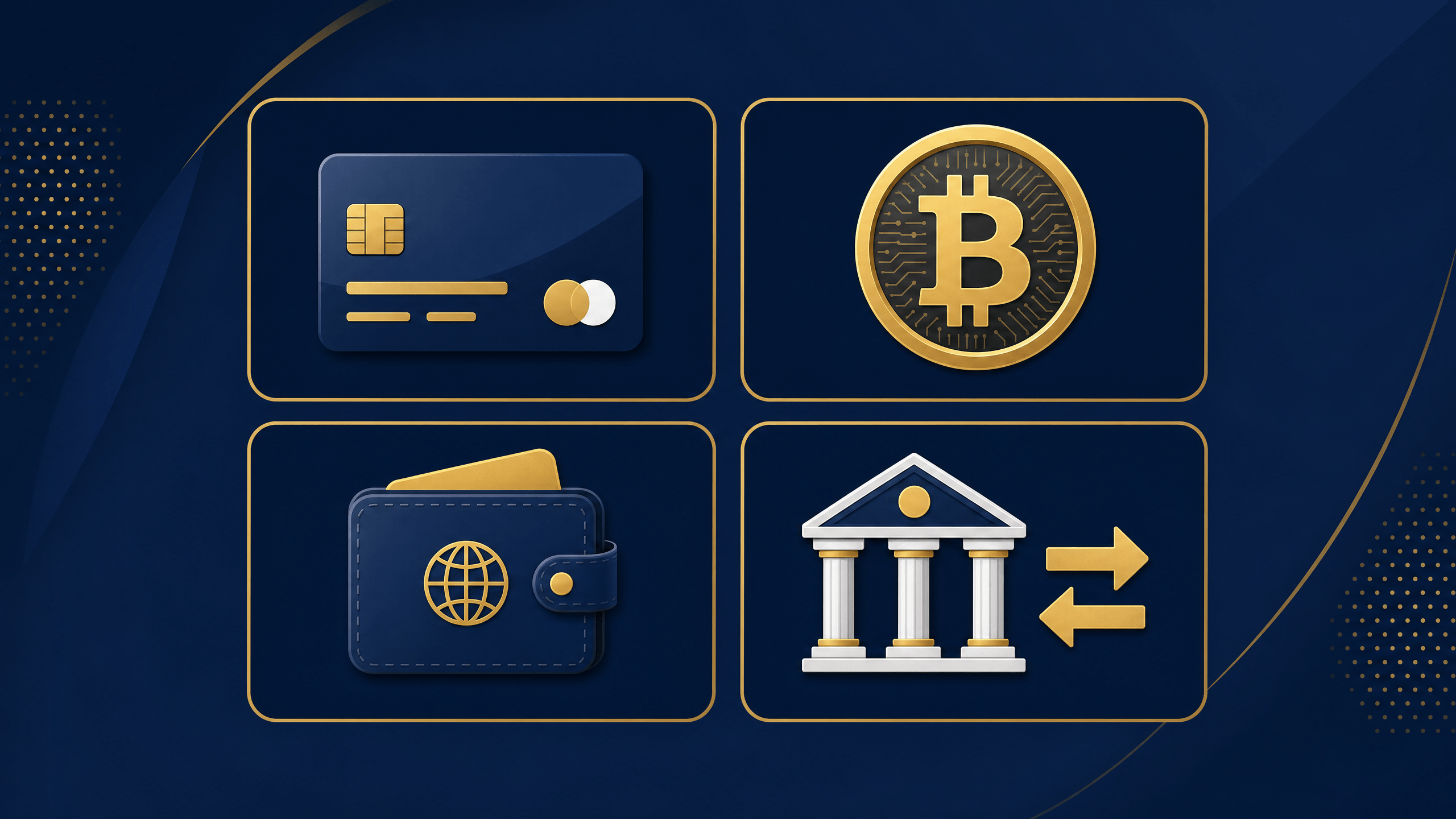
Cryptocurrencies have revolutionized the online gambling industry, offering a decentralized, secure, and highly efficient alternative to traditional fiat currencies. For players at non-GamStop casinos, cryptocurrencies present an attractive option, particularly for those who value privacy and rapid transactions. The blockchain technology underlying cryptocurrencies ensures that all transactions are transparent, immutable, and secure from tampering. As the adoption of digital assets continues to grow, more and more non-GamStop platforms are embracing crypto as a primary payment method.
Bitcoin is the pioneer and most widely recognized cryptocurrency. Almost all crypto-friendly non-GamStop casinos accept Bitcoin. The primary allure of Bitcoin lies in its decentralized nature, meaning no central bank or government controls it. Transactions are processed on the blockchain, offering a high degree of anonymity, as personal banking details are not linked to the transaction. While Bitcoin transactions are generally fast, network congestion can occasionally lead to slight delays and higher transaction fees. Nevertheless, it remains the gold standard for crypto gambling.
Ethereum is the second most popular cryptocurrency and is renowned for its smart contract capabilities. In the context of online gambling, Ethereum offers faster transaction processing times compared to Bitcoin. This makes it an excellent choice for players who prioritize speed and want their deposits and withdrawals processed almost instantaneously. However, Ethereum’s network fees, known as “gas fees,” can fluctuate significantly based on network activity. During times of high congestion, these fees can become quite expensive, which is something players need to monitor.
Litecoin was created to be the “silver to Bitcoin’s gold,” offering faster block generation times and lower transaction fees. It is a highly efficient option for casino deposits and withdrawals, often preferred by players who want to avoid the higher fees sometimes associated with Bitcoin and Ethereum. Tether (USDT), on the other hand, is a stablecoin pegged to the US Dollar. This means its value remains relatively stable, shielding players from the extreme volatility often associated with other cryptocurrencies. Tether combines the speed and security of blockchain technology with the stability of fiat currency, making it an ideal choice for risk-averse crypto gamblers.
Pros:
Cons:
E-wallets have long been a favorite among online gamblers due to their speed, convenience, and enhanced security. By acting as an intermediary between your bank account and the casino, e-wallets ensure that your sensitive financial information is never shared directly with the gambling platform. While popular e-wallets like PayPal, Skrill, and Neteller are heavily regulated in the UK and often restrict transactions to non-GamStop casinos, several excellent alternatives have emerged to fill the void, providing UK players with reliable e-wallet options.
MiFinity is rapidly gaining traction as a preferred e-wallet at non-GamStop casinos. It offers a user-friendly interface, robust security features, and the ability to fund your wallet using various methods, including credit cards, bank transfers, and even cryptocurrencies. MiFinity facilitates instant deposits and swift withdrawals, making it a highly efficient option for UK players. The platform also supports multiple currencies, reducing the need for costly currency conversions when playing at international casinos.
Jeton is another versatile e-wallet that has become increasingly popular in the non-GamStop sector. It supports multiple currencies and offers a seamless payment experience. Jeton users can also benefit from the Jeton Card, a prepaid card linked to their e-wallet balance, providing even greater flexibility for online and offline purchases. Jeton’s robust mobile app makes managing your casino bankroll on the go incredibly easy and secure.
Pros:
Cons:
For players who prefer traditional banking methods and are dealing with substantial sums of money, bank transfers remain a steadfast option. While they may lack the speed of e-wallets or cryptocurrencies, bank transfers offer unparalleled security and are ideal for high rollers who need to move large amounts of capital securely.
The advent of Open Banking has significantly improved the bank transfer experience. Services that utilize Open Banking APIs allow players to initiate secure, direct transfers from their bank accounts to the casino without the need for manual data entry. This not only enhances security but also accelerates the deposit process, with funds often appearing in the casino account instantly. Open Banking essentially bridges the gap between traditional banking security and modern payment speed.
For UK players utilizing international non-GamStop casinos, SEPA (Single Euro Payments Area) transfers are a common method for withdrawals. SEPA facilitates cross-border electronic payments in Euros. While reliable and highly secure, SEPA transfers can take anywhere from 1 to 5 business days to process, depending on the banks involved. Players should also be aware of potential currency conversion fees if their casino account is in Euros but their bank account is in GBP.
Pros:
Cons:
Prepaid cards and vouchers offer a unique blend of security, privacy, and budget control. These methods involve purchasing a voucher with a specific value, either online or at a retail location, and using a unique PIN to deposit funds into the casino account. This method is perfect for players who want to keep their gambling activities completely separate from their banking records.
While Paysafecard is widely known, its availability at non-GamStop casinos can be limited due to regulatory constraints. However, Neosurf has emerged as a robust alternative. Neosurf vouchers can be purchased online or at thousands of retail outlets across the UK. To deposit, players simply enter the 10-digit PIN provided on the voucher. This method ensures complete anonymity, as no personal or financial information is required during the transaction. It also acts as an excellent budgeting tool, as you can only spend the amount loaded onto the voucher.
Pros:
Cons:
With the proliferation of mobile gaming, payment methods optimized for smartphones have become increasingly relevant. Mobile payments allow players to fund their accounts using their mobile phone bill or prepaid balance, offering a frictionless payment experience for mobile users.
Services like Boku enable players to make deposits by simply entering their mobile number and confirming the transaction via SMS. The deposit amount is then added to their monthly phone bill or deducted from their pay-as-you-go balance. This method is incredibly convenient for players who prefer gaming on their mobile devices and want to make quick, small deposits without entering card details.
Pros:
Cons:

Selecting the optimal payment method at a non-GamStop casino depends entirely on your personal preferences, priorities, and gaming habits. There is no one-size-fits-all solution, so it is essential to evaluate what matters most to you. Here are some factors to consider when making your decision:
Depositing funds at a non-GamStop casino is generally a straightforward process designed to get you playing as quickly as possible. While the exact steps may vary slightly depending on the platform’s specific interface, the general procedure is as follows:
Cashing out your winnings is the most rewarding part of the casino experience. To ensure a smooth and hassle-free withdrawal process, follow these essential steps:
Security is a paramount concern when engaging in real-money online gambling, especially at offshore non-GamStop casinos. Because these platforms operate outside the purview of the UK Gambling Commission, players must take extra precautions to ensure their funds and personal data are safe. Reputable platforms employ state-of-the-art security measures to protect players. Look for casinos that utilize SSL (Secure Socket Layer) encryption technology, typically indicated by a padlock icon in the browser’s address bar. This ensures that all data transmitted between your device and the casino’s servers is encrypted and unreadable to malicious actors.
Furthermore, the payment providers themselves implement rigorous security protocols. Credit card companies have advanced fraud detection systems and zero-liability policies, e-wallets use two-factor authentication (2FA) to prevent unauthorized access, and cryptocurrencies rely on the immutable security of blockchain technology. By choosing a licensed and well-reviewed non-GamStop casino and utilizing trusted payment methods, you can gamble with peace of mind, knowing your financial transactions are secure.
Understanding the fees and processing times associated with different payment methods is crucial for managing your bankroll effectively and avoiding unexpected costs. Here is a comprehensive overview of what you can generally expect:
Yes, provided you choose a reputable, licensed platform. Look for casinos regulated by recognized international authorities like the Curacao eGaming Authority, the Malta Gaming Authority (MGA), or the Kahnawake Gaming Commission. Ensure the site uses SSL encryption to protect your data and has positive player reviews regarding their payout reliability before making a deposit.
Yes, absolutely. Because non-GamStop casinos operate outside the jurisdiction of the UK Gambling Commission, they are not subject to the UK’s ban on credit card gambling implemented in 2020. You can freely use your Visa or Mastercard to fund your account, enjoying the convenience and security these major providers offer.
Cryptocurrencies (such as Bitcoin, Ethereum, Litecoin, and Tether) and e-wallets (like MiFinity and Jeton) are typically the fastest withdrawal methods available. Once the casino’s internal finance team approves your withdrawal request, transactions via these methods are often processed instantly or within 24 hours, allowing you rapid access to your winnings.
In the United Kingdom, gambling winnings are generally not subject to taxation, regardless of whether the casino is licensed by the UKGC or an offshore authority. The UK tax system taxes the operators, not the players. However, if you are a professional gambler where gambling is your primary source of income, different rules may apply. It is always advisable to consult with a qualified financial advisor regarding your specific tax situation.
PayPal has strict internal policies regarding online gambling. They typically only partner with casinos that hold a license in the user’s specific jurisdiction (e.g., a UKGC license for UK players). Because non-GamStop casinos do not hold UKGC licenses, PayPal restricts its services on these platforms to comply with its own risk management and regulatory policies. Therefore, it is rarely available at offshore non-GamStop sites.
If your deposit is declined, first check that you have sufficient funds in your account and that you entered your payment details (card number, expiry date, CVV) correctly. Some UK banks may proactively block transactions to known offshore gambling sites as part of their fraud prevention measures. If this occurs, you can contact your bank to authorize the transaction, or simply consider using an alternative method such as an e-wallet or cryptocurrency, which are less likely to be blocked.
Yes, all casinos impose minimum and maximum limits on both deposits and withdrawals. These limits vary significantly depending on the specific casino’s policies and the chosen payment method. For example, mobile payments like Boku often have very low daily limits (e.g., £30), while cryptocurrencies and bank transfers typically offer the highest limits, making them suitable for high rollers. Always check the casino’s banking page for specific limits before initiating a transaction.
This varies from casino to casino. Many reputable non-GamStop casinos do not charge any fees for deposits or withdrawals. However, some may charge a small percentage fee (usually 1-2%) for credit card transactions or bank transfers. Additionally, remember that your payment provider (e.g., your bank or crypto network) may impose their own fees, such as currency conversion fees or network transaction fees, which are outside the casino’s control.
Speed of Transactions: In the fast-paced world of online gambling, players expect instant deposits and swift withdrawals. The payment method you choose dictates how quickly you can start playing and how soon you can enjoy your winnings. Waiting days for a deposit to clear can be frustrating and detract from the entertainment value of the casino.\n
Fees and Charges: Some payment providers or casinos may impose transaction fees. Selecting a cost-effective method helps maximize your bankroll. Even small percentage fees can add up over time, eating into your potential profits or reducing the amount of playtime you get for your money.\n
Bonus Eligibility: Certain casinos offer exclusive bonuses for using specific payment methods, while others may exclude certain e-wallets from promotional offers. Knowing these nuances can help you claim the best deals. For instance, crypto deposits often come with highly lucrative match bonuses that are not available to fiat currency users.\n
Convenience: A payment method should be easy to use, with a straightforward interface and accessible customer support in case of issues. The less time you spend navigating complex payment gateways, the more time you can spend enjoying the casino's offerings.\n\n\nCredit Cards: The Return of Visa and Mastercard\nIn April 2020, the UK Gambling Commission implemented a ban on the use of credit cards for online gambling. This regulatory change aimed to prevent players from gambling with borrowed money and accumulating debt. Consequently, all UKGC-licensed casinos ceased accepting credit card payments. However, because non-GamStop casinos operate under different regulatory frameworks, they are not bound by this restriction. As a result, credit cards have made a triumphant return for UK players frequenting these international platforms, offering a familiar and highly convenient way to fund their accounts.\nVisa\nVisa is arguably the most recognized and widely accepted payment method globally. At non-GamStop casinos, Visa credit and debit cards are universally accepted. The primary advantage of using Visa is its unparalleled convenience. Most players already possess a Visa card, eliminating the need to set up new accounts or navigate unfamiliar payment gateways. Deposits made via Visa are typically processed instantly, allowing players to dive straight into the action without any unnecessary delays. Furthermore, Visa employs robust security measures, including advanced encryption and fraud detection systems, ensuring that your transactions are safe. In the event of unauthorized transactions, Visa's zero-liability policy often protects consumers, adding an extra layer of peace of mind.\nMastercard\nSimilar to Visa, Mastercard is a dominant force in the global financial landscape and is widely accepted at non-GamStop casinos. Mastercard offers the same level of convenience and security, with instant deposits and stringent fraud protection protocols. However, it is worth noting that while depositing with Mastercard is seamless, some casinos may not support Mastercard withdrawals due to the provider's internal policies regarding gambling transactions. In such cases, players may need to select an alternative method, such as a bank transfer or a cryptocurrency wallet, to cash out their winnings. This minor inconvenience is usually outweighed by the ease of depositing.\nPros and Cons of Credit Cards\nPros:\n\n
Widely accepted at almost all non-GamStop casinos, making it a universal option.\n
Instant deposits allow for immediate gameplay.\n
High level of security and fraud protection backed by major financial institutions.\n
Familiar and convenient for most users, requiring no new account setups.\n\nCons:\n\n
Withdrawals can take several business days to process, which is slower than e-wallets or crypto.\n
Potential for accumulating debt if not managed responsibly, as players are using borrowed funds.\n
Some casinos may charge a small fee (typically 1-2%) for credit card transactions to cover processing costs.\n
Mastercard withdrawals are frequently unsupported, necessitating a secondary withdrawal method.\n\n\n\n\nCryptocurrencies: The Future of Online Gambling\nCryptocurrencies have revolutionized the online gambling industry, offering a decentralized, secure, and highly efficient alternative to traditional fiat currencies. For players at non-GamStop casinos, cryptocurrencies present an attractive option, particularly for those who value privacy and rapid transactions. The blockchain technology underlying cryptocurrencies ensures that all transactions are transparent, immutable, and secure from tampering. As the adoption of digital assets continues to grow, more and more non-GamStop platforms are embracing crypto as a primary payment method.\nBitcoin (BTC)\nBitcoin is the pioneer and most widely recognized cryptocurrency. Almost all crypto-friendly non-GamStop casinos accept Bitcoin. The primary allure of Bitcoin lies in its decentralized nature, meaning no central bank or government controls it. Transactions are processed on the blockchain, offering a high degree of anonymity, as personal banking details are not linked to the transaction. While Bitcoin transactions are generally fast, network congestion can occasionally lead to slight delays and higher transaction fees. Nevertheless, it remains the gold standard for crypto gambling.\nEthereum (ETH)\nEthereum is the second most popular cryptocurrency and is renowned for its smart contract capabilities. In the context of online gambling, Ethereum offers faster transaction processing times compared to Bitcoin. This makes it an excellent choice for players who prioritize speed and want their deposits and withdrawals processed almost instantaneously. However, Ethereum's network fees, known as \"gas fees,\" can fluctuate significantly based on network activity. During times of high congestion, these fees can become quite expensive, which is something players need to monitor.\nLitecoin (LTC) and Tether (USDT)\nLitecoin was created to be the \"silver to Bitcoin's gold,\" offering faster block generation times and lower transaction fees. It is a highly efficient option for casino deposits and withdrawals, often preferred by players who want to avoid the higher fees sometimes associated with Bitcoin and Ethereum. Tether (USDT), on the other hand, is a stablecoin pegged to the US Dollar. This means its value remains relatively stable, shielding players from the extreme volatility often associated with other cryptocurrencies. Tether combines the speed and security of blockchain technology with the stability of fiat currency, making it an ideal choice for risk-averse crypto gamblers.\nPros and Cons of Cryptocurrencies\nPros:\n\n
Enhanced privacy and anonymity, as transactions do not require personal banking information.\n
Lightning-fast deposits and withdrawals, often processed within minutes regardless of the time or day.\n
No interference from traditional banking institutions, meaning banks cannot block the transactions.\n
Access to exclusive crypto bonuses and promotions, which are often more generous than standard fiat bonuses.\n
Global accessibility, allowing players to bypass regional banking restrictions.\n\nCons:\n\n
Price volatility (except for stablecoins like USDT), meaning the value of your bankroll can fluctuate independently of your gambling results.\n
A learning curve for users unfamiliar with crypto wallets, exchanges, and network addresses.\n
Transactions are irreversible; mistakes, such as sending funds to the wrong address, cannot be undone and result in a total loss of funds.\n\n\nE-Wallets: Speed and Convenience\nE-wallets have long been a favorite among online gamblers due to their speed, convenience, and enhanced security. By acting as an intermediary between your bank account and the casino, e-wallets ensure that your sensitive financial information is never shared directly with the gambling platform. While popular e-wallets like PayPal, Skrill, and Neteller are heavily regulated in the UK and often restrict transactions to non-GamStop casinos, several excellent alternatives have emerged to fill the void, providing UK players with reliable e-wallet options.\nMiFinity\nMiFinity is rapidly gaining traction as a preferred e-wallet at non-GamStop casinos. It offers a user-friendly interface, robust security features, and the ability to fund your wallet using various methods, including credit cards, bank transfers, and even cryptocurrencies. MiFinity facilitates instant deposits and swift withdrawals, making it a highly efficient option for UK players. The platform also supports multiple currencies, reducing the need for costly currency conversions when playing at international casinos.\nJeton\nJeton is another versatile e-wallet that has become increasingly popular in the non-GamStop sector. It supports multiple currencies and offers a seamless payment experience. Jeton users can also benefit from the Jeton Card, a prepaid card linked to their e-wallet balance, providing even greater flexibility for online and offline purchases. Jeton's robust mobile app makes managing your casino bankroll on the go incredibly easy and secure.\nPros and Cons of E-Wallets\nPros:\n\n
Instant deposits and very fast withdrawals, often processed within 24 hours.\n
Enhanced security, as bank details are not shared with the casino, reducing the risk of data breaches.\n
Easy bankroll management by keeping gambling funds separate from primary bank accounts, helping players stick to their budgets.\n
User-friendly mobile apps for convenient account management.\n\nCons:\n\n
Mainstream options like PayPal and Skrill are rarely available at non-GamStop sites due to strict regulatory compliance.\n
Some e-wallets charge fees for funding the wallet or withdrawing funds back to a traditional bank account.\n
Account verification processes for e-wallets can sometimes be lengthy and require extensive documentation.\n\n\n\n\nBank Transfers: The Traditional Approach\nFor players who prefer traditional banking methods and are dealing with substantial sums of money, bank transfers remain a steadfast option. While they may lack the speed of e-wallets or cryptocurrencies, bank transfers offer unparalleled security and are ideal for high rollers who need to move large amounts of capital securely.\nOpen Banking and Instant Bank Transfers\nThe advent of Open Banking has significantly improved the bank transfer experience. Services that utilize Open Banking APIs allow players to initiate secure, direct transfers from their bank accounts to the casino without the need for manual data entry. This not only enhances security but also accelerates the deposit process, with funds often appearing in the casino account instantly. Open Banking essentially bridges the gap between traditional banking security and modern payment speed.\nSEPA Transfers\nFor UK players utilizing international non-GamStop casinos, SEPA (Single Euro Payments Area) transfers are a common method for withdrawals. SEPA facilitates cross-border electronic payments in Euros. While reliable and highly secure, SEPA transfers can take anywhere from 1 to 5 business days to process, depending on the banks involved. Players should also be aware of potential currency conversion fees if their casino account is in Euros but their bank account is in GBP.\nPros and Cons of Bank Transfers\nPros:\n\n
Extremely secure, utilizing bank-level encryption and rigorous identity verification protocols.\n
Ideal for transferring large sums of money, as bank transfers typically have the highest transaction limits.\n
No need to create third-party accounts or manage additional passwords.\n\nCons:\n\n
Withdrawals can be slow, taking several business days to clear into your account.\n
Some UK banks may block transactions to known offshore gambling sites, requiring players to contact their bank to authorize the payment.\n
Potential for currency conversion fees if the casino operates in a different currency than your bank account.\n\n\nPrepaid Cards and Vouchers: Ultimate Privacy\nPrepaid cards and vouchers offer a unique blend of security, privacy, and budget control. These methods involve purchasing a voucher with a specific value, either online or at a retail location, and using a unique PIN to deposit funds into the casino account. This method is perfect for players who want to keep their gambling activities completely separate from their banking records.\nPaysafecard and Neosurf\nWhile Paysafecard is widely known, its availability at non-GamStop casinos can be limited due to regulatory constraints. However, Neosurf has emerged as a robust alternative. Neosurf vouchers can be purchased online or at thousands of retail outlets across the UK. To deposit, players simply enter the 10-digit PIN provided on the voucher. This method ensures complete anonymity, as no personal or financial information is required during the transaction. It also acts as an excellent budgeting tool, as you can only spend the amount loaded onto the voucher.\nPros and Cons of Prepaid Cards\nPros:\n\n
Complete anonymity and privacy, leaving no trace on bank statements.\n
Excellent for budget control, as you cannot spend more than the voucher's predetermined value.\n
Instant deposits, allowing for immediate gameplay.\n
Highly secure, as there is no risk of exposing bank details to the casino.\n\nCons:\n\n
Cannot be used for withdrawals; an alternative method, such as a bank transfer, is required to cash out winnings.\n
Inconvenient for high rollers due to relatively low voucher value limits.\n
Requires the physical or digital purchase of a voucher before depositing.\n\n\nMobile Payments: Gaming on the Go\nWith the proliferation of mobile gaming, payment methods optimized for smartphones have become increasingly relevant. Mobile payments allow players to fund their accounts using their mobile phone bill or prepaid balance, offering a frictionless payment experience for mobile users.\nPay by Phone and Boku\nServices like Boku enable players to make deposits by simply entering their mobile number and confirming the transaction via SMS. The deposit amount is then added to their monthly phone bill or deducted from their pay-as-you-go balance. This method is incredibly convenient for players who prefer gaming on their mobile devices and want to make quick, small deposits without entering card details.\nPros and Cons of Mobile Payments\nPros:\n\n
Extremely convenient for mobile users, requiring only a phone number to deposit.\n
Secure, as no bank details or credit card numbers are required.\n
Instant deposits, perfect for spontaneous gaming sessions.\n\nCons:\n\n
Strict daily deposit limits (often capped at \u00a330 per day), making it unsuitable for high rollers or serious players.\n
Cannot be used for withdrawals, necessitating a secondary payment method to access winnings.\n
Not supported by all mobile network operators.\n\n\n\n\nHow to Choose the Best Payment Method\nSelecting the optimal payment method at a non-GamStop casino depends entirely on your personal preferences, priorities, and gaming habits. There is no one-size-fits-all solution, so it is essential to evaluate what matters most to you. Here are some factors to consider when making your decision:\n\n
Prioritize Speed?","acceptedAnswer":{"@type":"Answer","text":"Depositing funds at a non-GamStop casino is generally a straightforward process designed to get you playing as quickly as possible. While the exact steps may vary slightly depending on the platform's specific interface, the general procedure is as follows:"}},{"@type":"Question","name":"1. Are non-GamStop casinos safe to deposit money into?","acceptedAnswer":{"@type":"Answer","text":"Yes, provided you choose a reputable, licensed platform. Look for casinos regulated by recognized international authorities like the Curacao eGaming Authority, the Malta Gaming Authority (MGA), or the Kahnawake Gaming Commission. Ensure the site uses SSL encryption to protect your data and has positive player reviews regarding their payout reliability before making a deposit."}},{"@type":"Question","name":"2. Can I use my UK credit card at a non-GamStop casino?","acceptedAnswer":{"@type":"Answer","text":"Yes, absolutely. Because non-GamStop casinos operate outside the jurisdiction of the UK Gambling Commission, they are not subject to the UK's ban on credit card gambling implemented in 2020. You can freely use your Visa or Mastercard to fund your account, enjoying the convenience and security these major providers offer."}},{"@type":"Question","name":"3. What is the fastest withdrawal method at non-GamStop casinos?","acceptedAnswer":{"@type":"Answer","text":"Cryptocurrencies (such as Bitcoin, Ethereum, Litecoin, and Tether) and e-wallets (like MiFinity and Jeton) are typically the fastest withdrawal methods available. Once the casino's internal finance team approves your withdrawal request, transactions via these methods are often processed instantly or within 24 hours, allowing you rapid access to your winnings."}},{"@type":"Question","name":"4. Do I have to pay taxes on my winnings from non-GamStop casinos?","acceptedAnswer":{"@type":"Answer","text":"In the United Kingdom, gambling winnings are generally not subject to taxation, regardless of whether the casino is licensed by the UKGC or an offshore authority. The UK tax system taxes the operators, not the players. However, if you are a professional gambler where gambling is your primary source of income, different rules may apply. It is always advisable to consult with a qualified financial advisor regarding your specific tax situation."}},{"@type":"Question","name":"5. Why can't I use PayPal at most non-GamStop casinos?","acceptedAnswer":{"@type":"Answer","text":"PayPal has strict internal policies regarding online gambling. They typically only partner with casinos that hold a license in the user's specific jurisdiction (e.g., a UKGC license for UK players). Because non-GamStop casinos do not hold UKGC licenses, PayPal restricts its services on these platforms to comply with its own risk management and regulatory policies. Therefore, it is rarely available at offshore non-GamStop sites."}},{"@type":"Question","name":"6. What should I do if my deposit is declined?","acceptedAnswer":{"@type":"Answer","text":"If your deposit is declined, first check that you have sufficient funds in your account and that you entered your payment details (card number, expiry date, CVV) correctly. Some UK banks may proactively block transactions to known offshore gambling sites as part of their fraud prevention measures. If this occurs, you can contact your bank to authorize the transaction, or simply consider using an alternative method such as an e-wallet or cryptocurrency, which are less likely to be blocked."}},{"@type":"Question","name":"7. Are there any limits on how much I can deposit or withdraw?","acceptedAnswer":{"@type":"Answer","text":"Yes, all casinos impose minimum and maximum limits on both deposits and withdrawals. These limits vary significantly depending on the specific casino's policies and the chosen payment method. For example, mobile payments like Boku often have very low daily limits (e.g., \u00a330), while cryptocurrencies and bank transfers typically offer the highest limits, making them suitable for high rollers. Always check the casino's banking page for specific limits before initiating a transaction."}},{"@type":"Question","name":"8. Do non-GamStop casinos charge fees for deposits and withdrawals?","acceptedAnswer":{"@type":"Answer","text":"This varies from casino to casino. Many reputable non-GamStop casinos do not charge any fees for deposits or withdrawals. However, some may charge a small percentage fee (usually 1-2%) for credit card transactions or bank transfers. Additionally, remember that your payment provider (e.g., your bank or crypto network) may impose their own fees, such as currency conversion fees or network transaction fees, which are outside the casino's control."}}]}\n
For independent information on gambling regulation and safer play, see the UK Gambling Commission.
Definition: Payment Methods at Non-GamStop Casinos: A Complete Guide is a casino topic evaluated through published terms, game information, payment conditions and player-protection controls. Readers should compare these details before choosing where to play.
Authority reference: official gambling commission guidance.
Related reading: SlotsPalace Casino Review: An In-Depth Look for UK Players, ZetCasino Review: An In-Depth Analysis for UK Players Seeking Non-GamStop Options, Nine Casino Review 2026: An In-Depth Look for UK Non-GamStop Players
Related reading: Sugar Rush 1000 Slot Review Not on Gamstop · Gates of Olympus 1000 Review Not on Gamstop · Big Bass Splash Slot Review Not on Gamstop
\n
For independent guidance on safer online gambling and operator checks, consult the UK Gambling Commission’s public guidance before making a decision about Payment Methods at Non-GamStop Casinos: A Complete Guide.
Continue with these closely related guides from our payments section:
| # | Casino | Offer | Action |
|---|---|---|---|
| 1 | 
Winner Casino
|
Exclusive casino offer | Play now |
| 2 | 
MyStake Casino
|
Exclusive casino offer | Play now |
| 3 | 
Golden Bet
|
Exclusive casino offer | Play now |
| 4 | 
Rivo Casino
|
Exclusive casino offer | Play now |
| 5 | 
MaxiSpin
|
Exclusive casino offer | Play now |
| 6 | 
Rabbit Win Casino
|
Exclusive casino offer | Play now |
| 7 | 
Chilli Reels
|
Exclusive casino offer | Play now |
| 8 | 
Lucky Barry
|
Exclusive casino offer | Play now |
| 9 | 
Fancy Reels
|
Exclusive casino offer | Play now |
| 10 | 
Aphrodite Casino
|
Exclusive casino offer | Play now |
| 11 | 
Dracula Casino
|
Exclusive casino offer | Play now |
| 12 | 
Gambiva Casino
|
Exclusive casino offer | Play now |
| 13 | 
Smash Casino
|
Exclusive casino offer | Play now |
| 14 | 
Slots Charm
|
Exclusive casino offer | Play now |
| 15 | 
Scarabs Win
|
Exclusive casino offer | Play now |
| 16 | 
Raptor Spins
|
Exclusive casino offer | Play now |
| 17 | 
Jimmy Winner Casino
|
Exclusive casino offer | Play now |
When you evaluate payment options at non-GamStop casinos, focus on verifiable facts rather than marketing claims. Non-GamStop casinos operate outside the GamStop self‑exclusion scheme and the UK Gambling Commission’s direct consumer protections; saying a site is “non‑GamStop” does not mean it is authorised by the UKGC. Always check the cashier pages and terms for clear, written statements about deposit and withdrawal rules instead of relying on homepage blurbs.
If a casino claims a UK licence or participation in GamStop, verify that claim directly rather than accepting it at face value. Use the GAMSTOP register at GAMSTOP and the UK Gambling Commission public register to confirm licensing statements before relying on those protections.
Payment speed and costs are frequently the most disputed points in complaints. For Visa deposits and Bitcoin withdrawals, the only reliable sources are the casino’s written banking terms and, where relevant, the transaction record on the card statement or blockchain. Avoid assuming that processor timings always match advertised figures.
For additional reading on protecting crypto funds and checking transaction details, see our guide on crypto security for non‑UK casinos and the sitewide payments guide: A guide to crypto security at non-UK casinos and Payment Methods at Non-GamStop Casinos – Complete UK Guide.
You should avoid or thoroughly investigate any non‑GamStop casino that exhibits one or more of the following:
If you see any of these signals, request evidence in writing and consider avoiding further deposits until the operator provides clear, verifiable information. You can also check independent reviews and operator pages such as the SlotsPalace review for examples of banking pages and policies: SlotsPalace Casino Review: An In-Depth Look for UK Players.
Related checks: Payment Methods at Non-GamStop Casinos – Complete UK Guide and Starlight Princess Slot Not On GamStop 2026 — Best Sites to Play. For regulatory context, see the UK Gambling Commission public register.
No. While blockchain addresses do not carry your name, many non‑GamStop casinos require KYC documentation to withdraw winnings. That means you’ll typically need to submit ID and proof of payment even when you deposit with Bitcoin. Check the casino’s KYC and withdrawal terms before assuming anonymity.
Read the casino’s withdrawal terms and FAQs first. If the wording is unclear, open a support ticket and request the exact policy in writing, including whether the site deducts a flat fee, passes on the real network fee, or refunds it. For any processed crypto withdrawal, ask for the transaction ID so you can verify the blockchain fee yourself.
Not necessarily, but non‑GamStop casinos do not provide GamStop protections. Some offshore operators may have dispute procedures and published terms, but these are not the same as UKGC or GamStop protections. Verify any protection claims against official sources such as the GAMSTOP website and the UK Gambling Commission public register before relying on them.
Aztec King Megaways Slot Not on Gamstop is the focus of this guide, covering games,…

Introduction to Donbet Casino The landscape of online gambling in the United Kingdom has seen…